
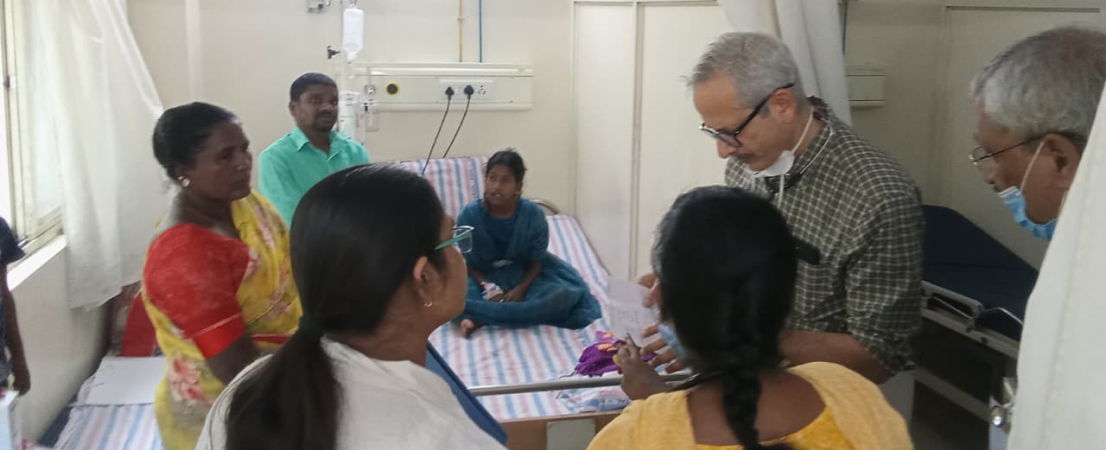
Early Intervention Helped Pallavi Overcome Recurrent Seizures
SHP | School Healthcare Programme. When Molagalla Pallavi, a 10-year-old student of MPPS School in Kondakal, began experiencing repeated seizures, timely identification through a school health visit connected her to diagnosis, treatment, and continuous follow-up care.
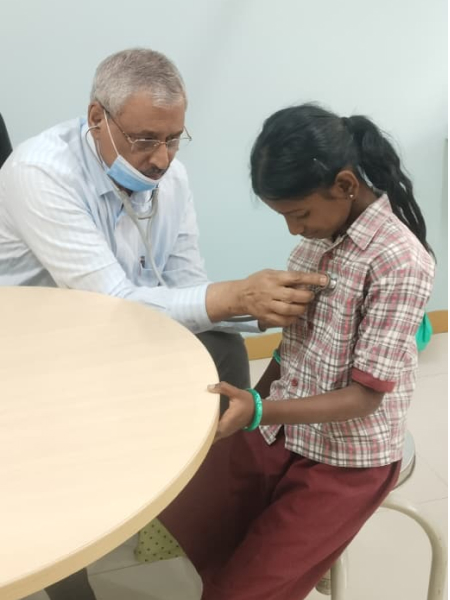 Assessment
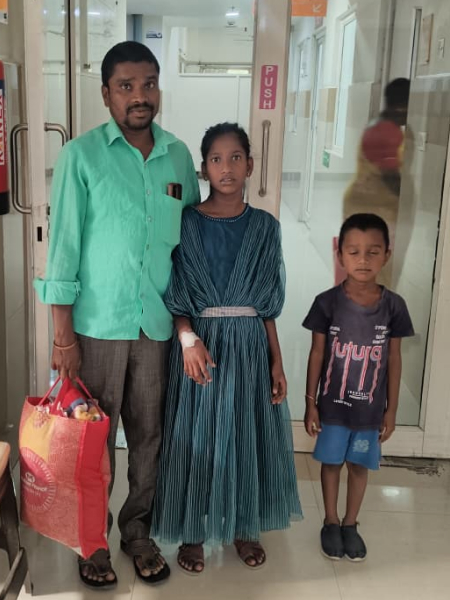 Care Journey
Student Information
- Name: Molagalla Pallavi
- Age: 10 years
- School: MPPS School, Kondakal
- Condition: Recurrent seizures
- Support Provided: Diagnosis, medication, follow-up and school monitoring
Background and Identification
Molagalla Pallavi faced serious health challenges at a young age. After losing both her mother and grandmother, she lived with her father, who had to balance work with caregiving responsibilities. Over the past year, Pallavi had been experiencing recurrent seizures, but due to financial constraints and limited awareness, her condition remained untreated and was initially perceived as general weakness.
Intervention and Care
During a routine visit under the School Health Programme (SHP), the nursing team identified Pallavi’s condition and immediately informed her father and school authorities about the need for urgent medical attention. Pallavi was referred to NICE Institute, where diagnostic tests, including an EEG, confirmed her condition. Treatment was initiated, her father was guided on medication and nutrition, and the team ensured that further investigations, including an MRI, were completed.
Monitoring and Outcomes
Despite an initial delay caused by a family bereavement, Pallavi’s treatment continued without interruption. The SHP team closely monitored her progress at school, supported medication adherence, and maintained regular follow-up. Within a month, her seizures stopped, her condition improved significantly, and she was able to return to school regularly and participate in daily activities with confidence.
The Impact of Early Care
Early screening, regular follow-up, and specialized medical intervention are critical in addressing health issues among students. Your support helps sustain these vital school-based interventions and ensures a healthier future for children like Aarav.
Support SHP