
A Night Journey for Safe Motherhood in a Remote Tribal Village
CHIP | Community Health Initiative Program. In a remote tribal village with almost no transport access, community members came together overnight to help Pangi Sunitha reach emergency maternal care, showing both the urgency of last-mile healthcare gaps and the power of collective action.
Beneficiary Information
- Name: Pangi Sunitha
- Age: 18 years
- Village: Lakkapadu
- Gram Panchayat: Vanthala
- Region: Paderu, ASR District
- Community: PVTG family
- Programme: CHIP
Background and Challenge
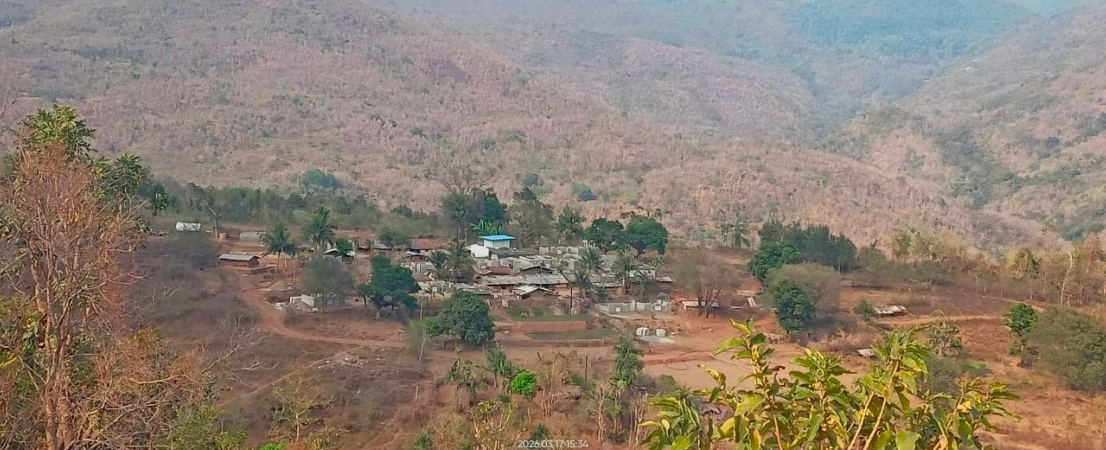
Pangi Sunitha, an 18-year-old pregnant woman and wife of Kalyan Rao, lives in Lakkapadu village under Vanthala Gram Panchayat in the Paderu region of Alluri Sitarama Raju District. Belonging to a Particularly Vulnerable Tribal Group (PVTG) family, they depend on agriculture for their livelihood. The village, with around 400 people across 45 households, faces severe challenges in accessing basic healthcare services.
Healthcare access in Lakkapadu is extremely limited. The nearest Primary Health Centre is located in G. Madugula, nearly 30 km away, while Paderu District Hospital is about 22 km from the village. Due to poor road connectivity, villagers must first walk nearly 4 km to Pedavalasa to find any form of transport, usually a two-wheeler or auto. In most cases, reaching timely medical care becomes a major challenge, especially during emergencies.
Emergency Response
One such critical situation arose late at night when Sunitha went into labor and required immediate medical attention. With no vehicle available and no direct road access, the situation quickly became life-threatening. In response, community members came together and arranged a doli, or makeshift stretcher.
Despite the darkness and difficult hilly terrain, they carried Sunitha for nearly 5 kilometers to reach a point where transport was available. From there, she was taken to Paderu District Hospital for further care.
Outcome and Reflection
This incident highlights both the severe gaps in last-mile healthcare access and the strength of community solidarity in remote tribal areas. While the lack of transport and infrastructure continues to pose risks to maternal health, the timely action and collective effort of the villagers played a crucial role in ensuring that Sunitha could reach a healthcare facility.
The Impact of Last-Mile Maternal Care
Sunitha’s story shows how fragile maternal healthcare access remains in remote tribal regions, and how community support can become lifesaving in moments of crisis. Your support helps strengthen access, preparedness, and safer care for vulnerable families.
Support CHIP