
Project IMPACT
Implementing Mass-Scale Prevention Actions Against COVID-19 Transmission
Why this Program Exists
The COVID-19 pandemic placed significant strain on healthcare systems. Urban tertiary hospitals were overburdened, while rural and tribal communities faced challenges in early detection, testing, and continuous monitoring of cases.
Urban tertiary hospitals were overburdened during the pandemic.
Rural and tribal communities faced challenges in early detection of COVID-19 cases.
Access to testing and continuous case monitoring was limited at the community level.
Healthcare systems needed stronger decentralized screening, monitoring, and treatment support.
Program Overview
The IMPACT Project followed a dual approach:
- Urban component: A dedicated COVID care block at NICE Hospital, Hyderabad, to support case management and reduce burden on tertiary hospitals.
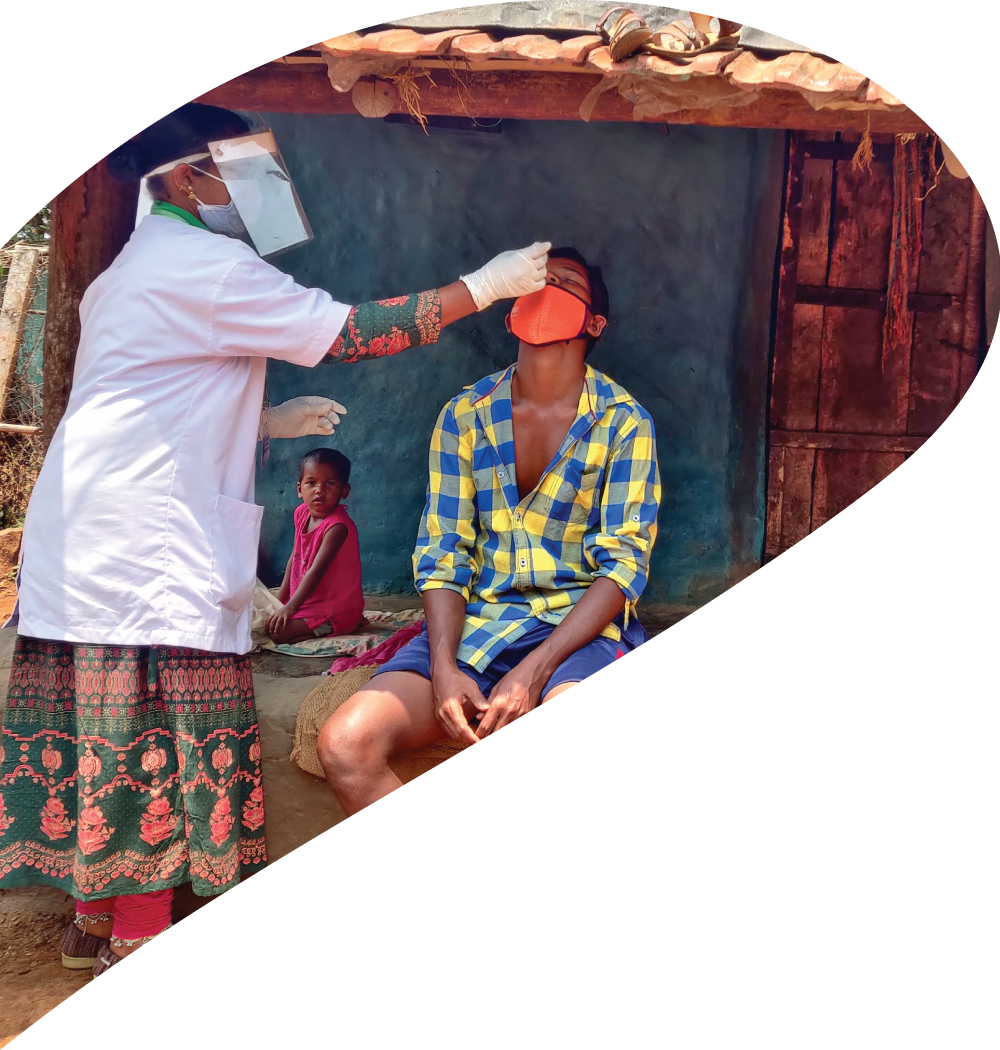
- Rural and tribal component: Community-based screening, testing, and continuous monitoring of COVID-positive cases.
- A centralized COVID Control Unit in Hyderabad supported both components through telecommunication and clinical guidance.
What Makes the Program Unique
The model stood out by combining urban care support, rural surveillance, tele-support, and continuous follow-up into one coordinated response system.
- Clear separation of urban care support and rural surveillance systems.
- Strong telemedicine and centralized monitoring system.
- Continuous follow-up of COVID-positive cases.
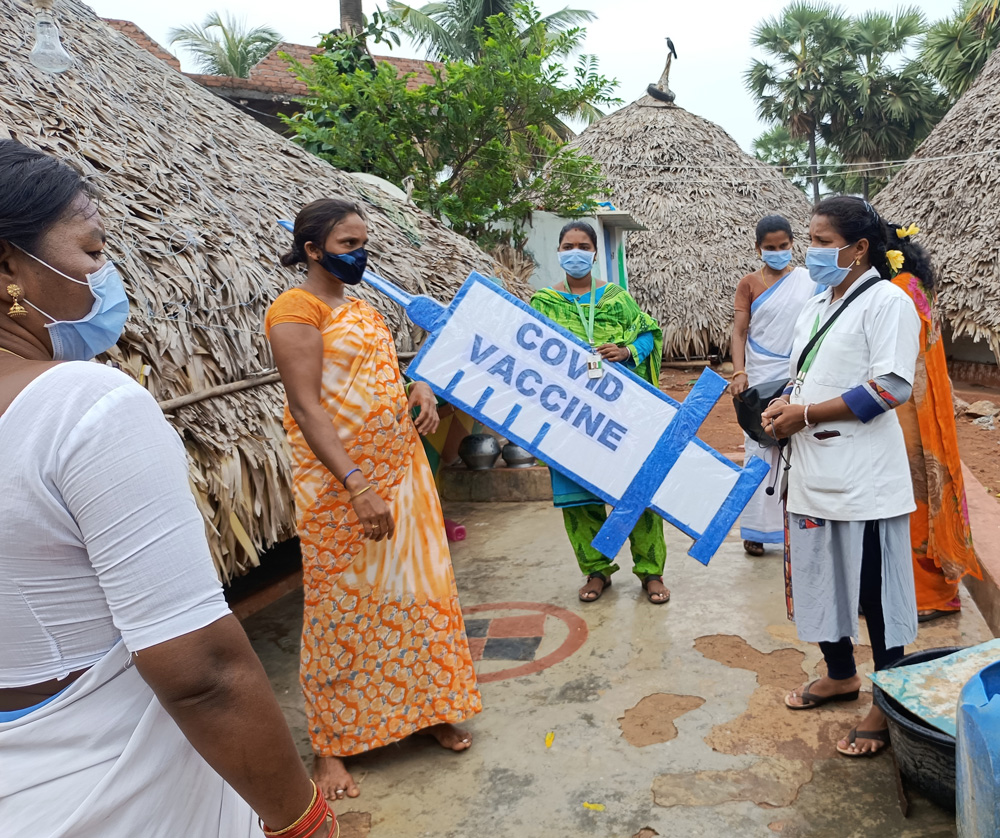
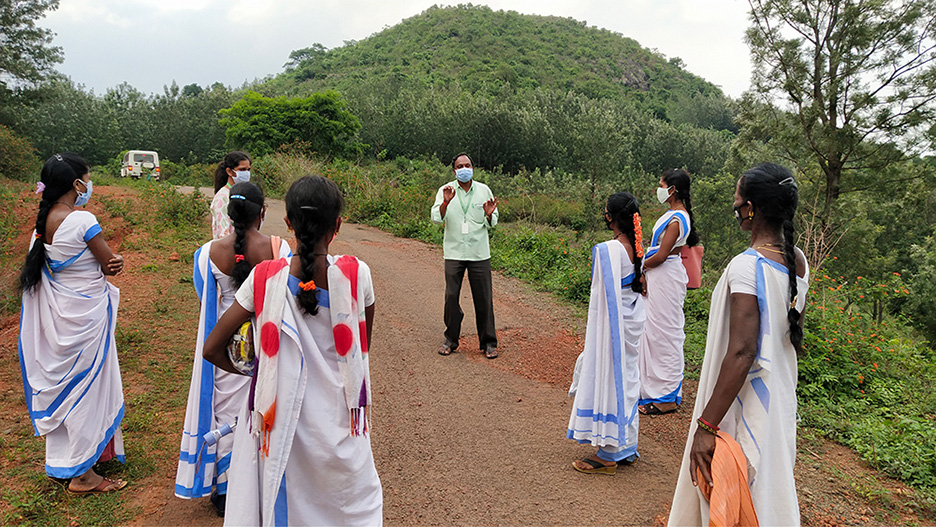
- Integration of community workers with centralized medical advisory.
How the Program Works
A COVID Control Unit in Hyderabad provided:
- Teleconsultation with doctors for advisory and advanced prescriptions.
- Regular follow-up calls to monitor patient progress.
- Centralized tracking and supervision of cases.
Role of Community and Frontline Systems
Community-level efforts focused on containment and recovery.
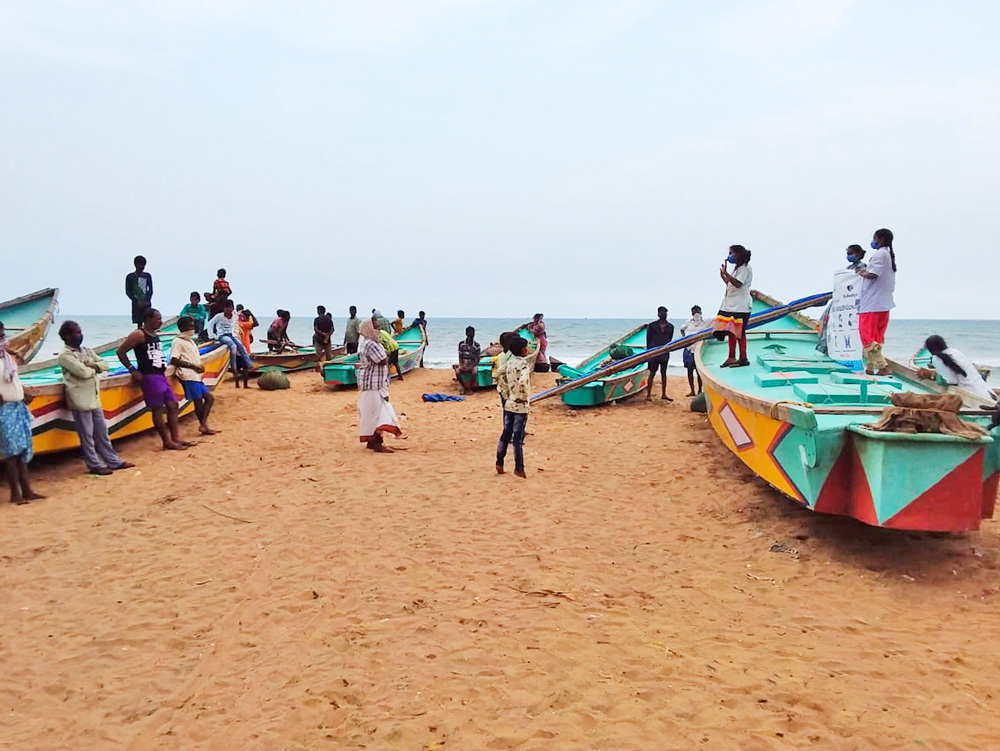
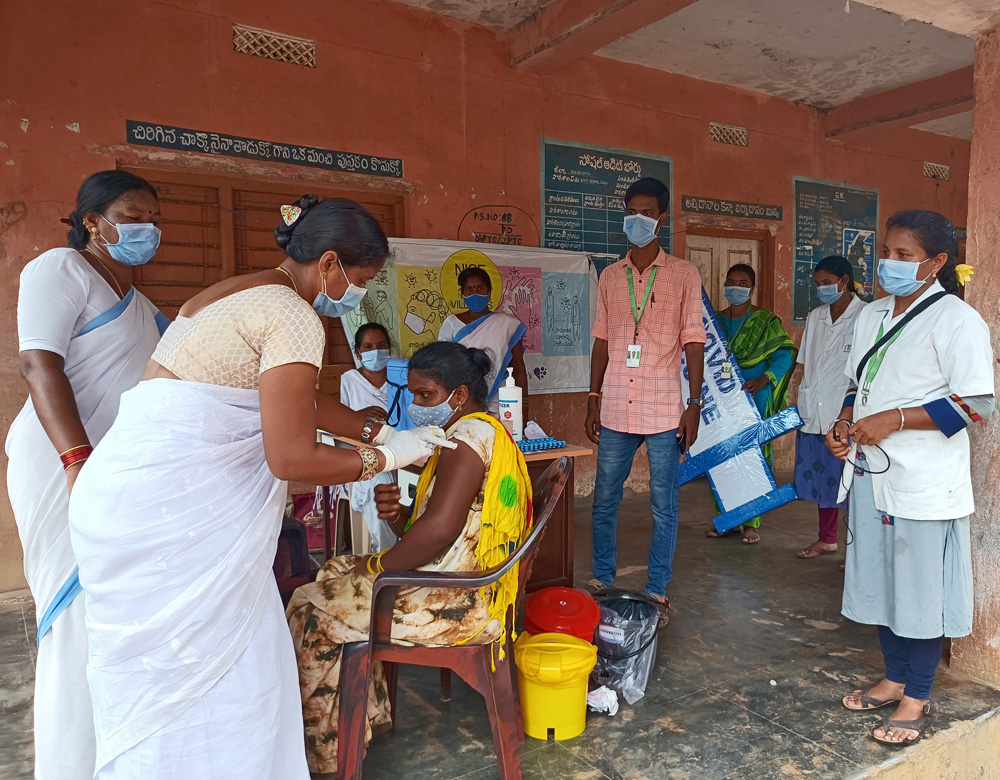
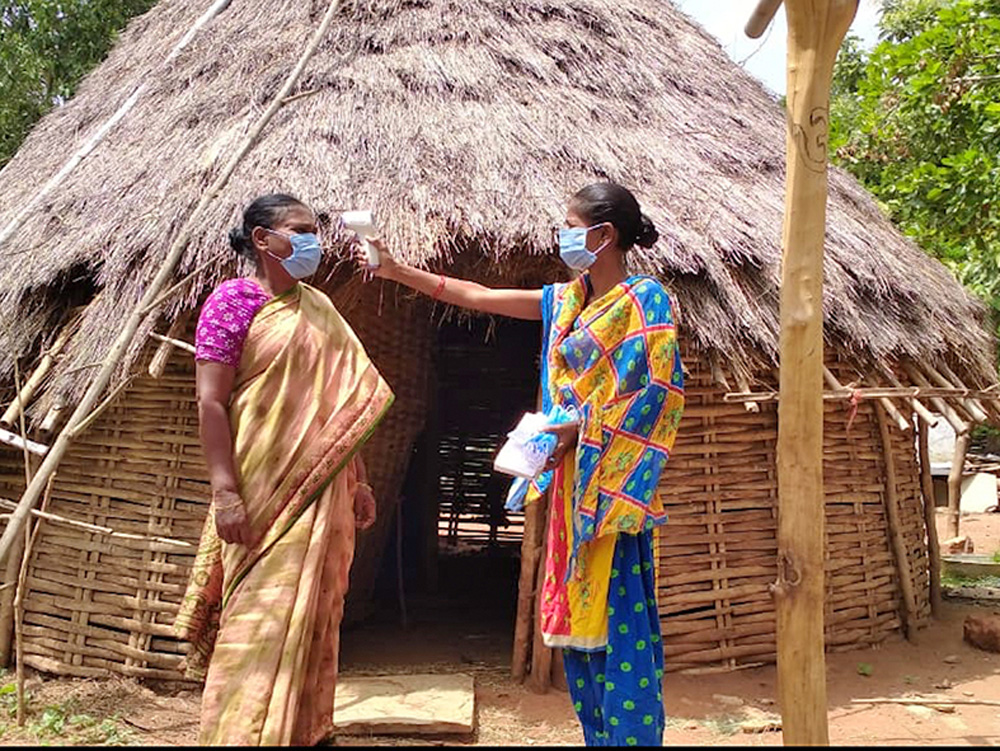
- VHWs conducted widespread screening and monitoring across villages.
- Positive cases were continuously tracked and supported.
- The Control Unit team ensured regular telephonic monitoring and medical guidance.
Health Concerns Addressed
The program responded to major COVID-related care gaps across urban, rural, and tribal settings.
- COVID-19 transmission and delayed detection.
- Lack of testing and monitoring in rural and tribal areas.
- Overburdening of tertiary care facilities in urban settings.
- Need for continuous follow-up and treatment adherence.
Impact
The program created measurable community coverage while strengthening pandemic response systems across urban, rural, and tribal settings.
- Coverage included Visakhapatnam, Srikakulam, and Vizianagaram districts of Andhra Pradesh and Nagarkurnool district of Telangana.
- Strengthened screening, testing, and continuous monitoring systems.
- Reduced burden on tertiary hospitals through dedicated urban COVID care.
- Evidence from IMPACT analysis showed that VHW-led interventions helped reduce infections and supported faster recovery.
Geographical Presence
The IMPACT model combined an urban treatment and control center with community-based rural and tribal monitoring.
Recognition & Replicability
The IMPACT model demonstrates how centralized tele-support and decentralized community monitoring can work together effectively during large-scale public health emergencies.
A Replicable Public Health Response Model
The model demonstrates an effective public health response by combining centralized tele-support systems with decentralized community monitoring, ensuring efficient pandemic management.
Investing in Public Health Resilience
By integrating urban healthcare support, telemedicine, and community-based monitoring, the IMPACT Project strengthened the health system’s ability to respond to large-scale public health emergencies.
Partner with us