
CHIP-T
A targeted tribal health intervention providing doorstep primary healthcare, school health programs, and community capacity building in remote, forest-based terrains.
Why this program exists
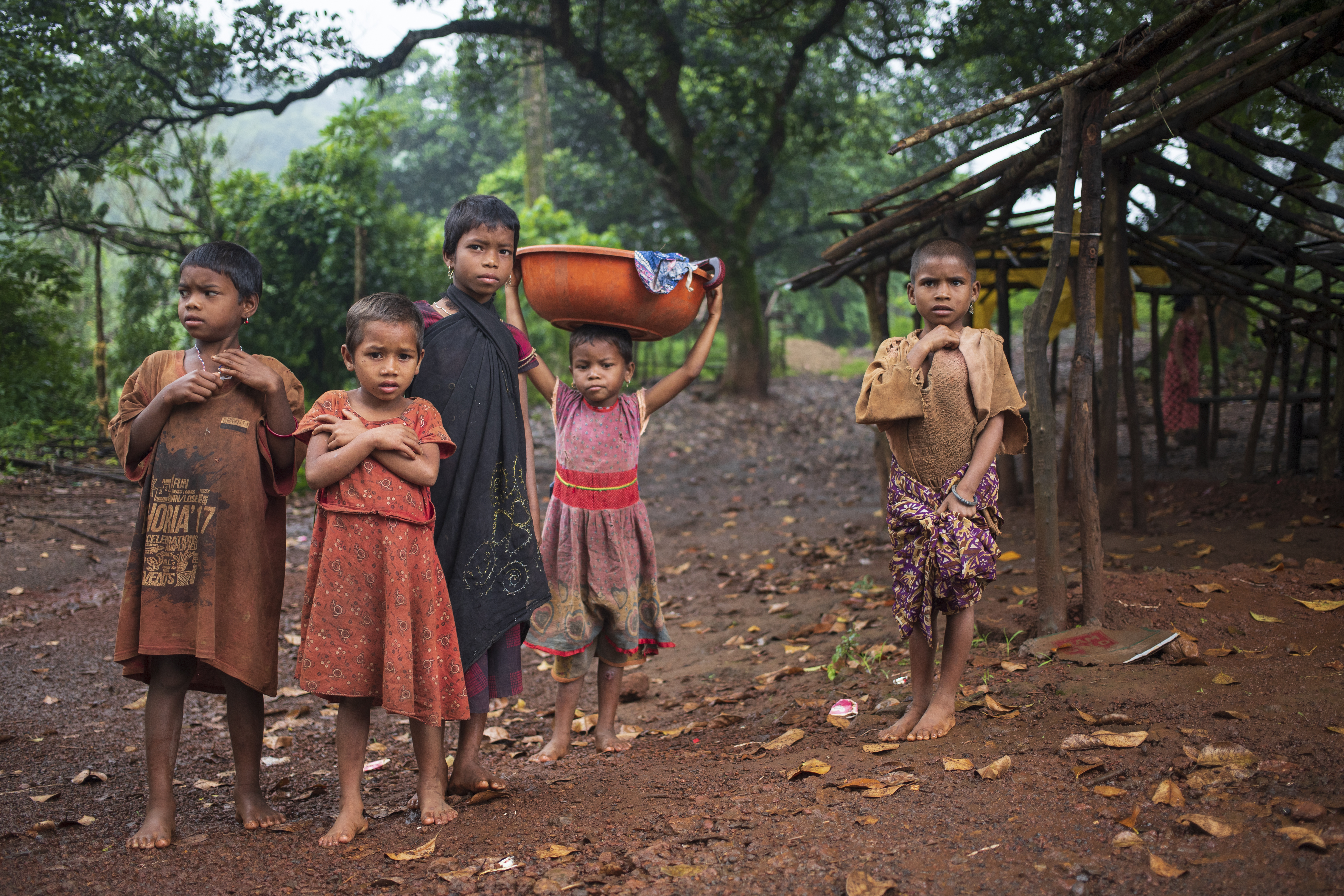
In tribal areas of ASR District, healthcare is often delayed, not due to lack of need, but because of significant environmental and systemic barriers:
Villages are located far from medical facilities.
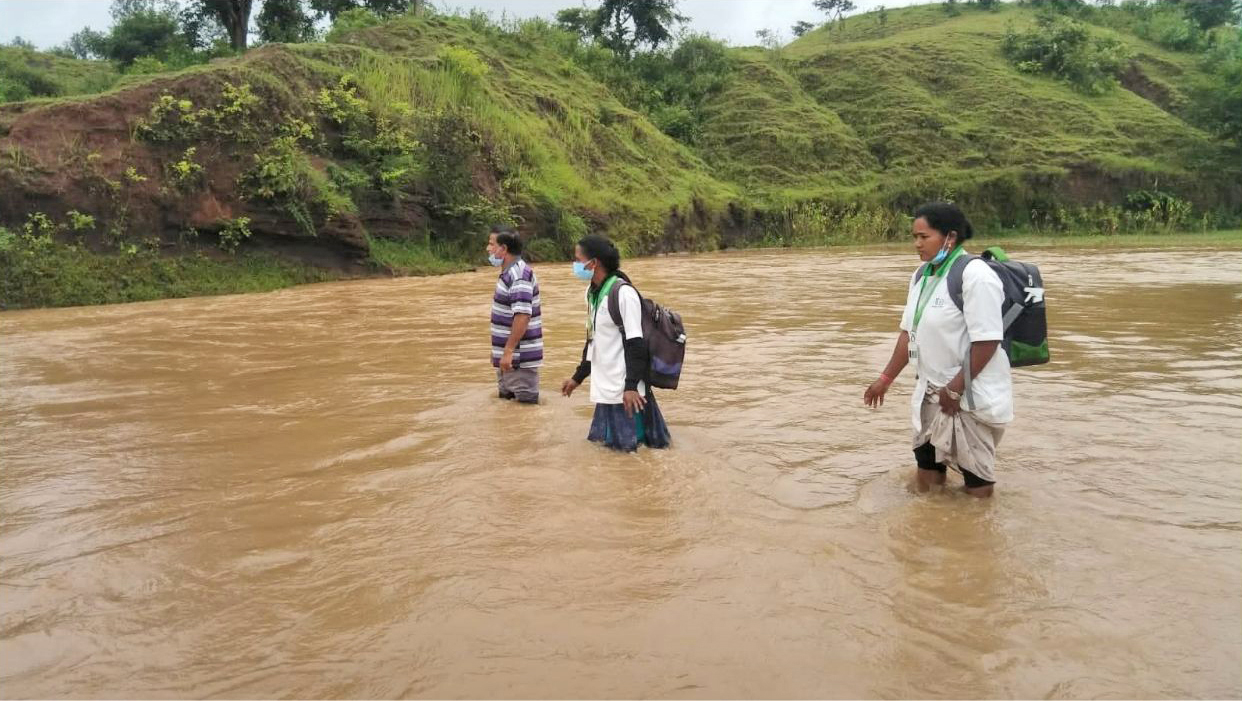
Transportation options are limited in hilly areas.
Early signs of illness are often not identified.
Maintaining consistent follow-up care is challenging.
Program Overview
CHIP-T works to improve health outcomes in tribal regions through integrated community-based interventions, focusing on four primary pillars of service:
- Doorstep healthcare delivery
- School health screening and prevention
- Mass medical outreach
- Local capacity building and skill development
What We Do Under CHIP-T
1. Fixed Day Health Services (FDHS)
- Doorstep primary healthcare for households in 360 villages.
- Operational via two-wheelers, autos, and on-foot travel in hilly terrains.
- Venues: Anganwadi centres, community halls, and schools.
2. Antenatal Care (ANC)
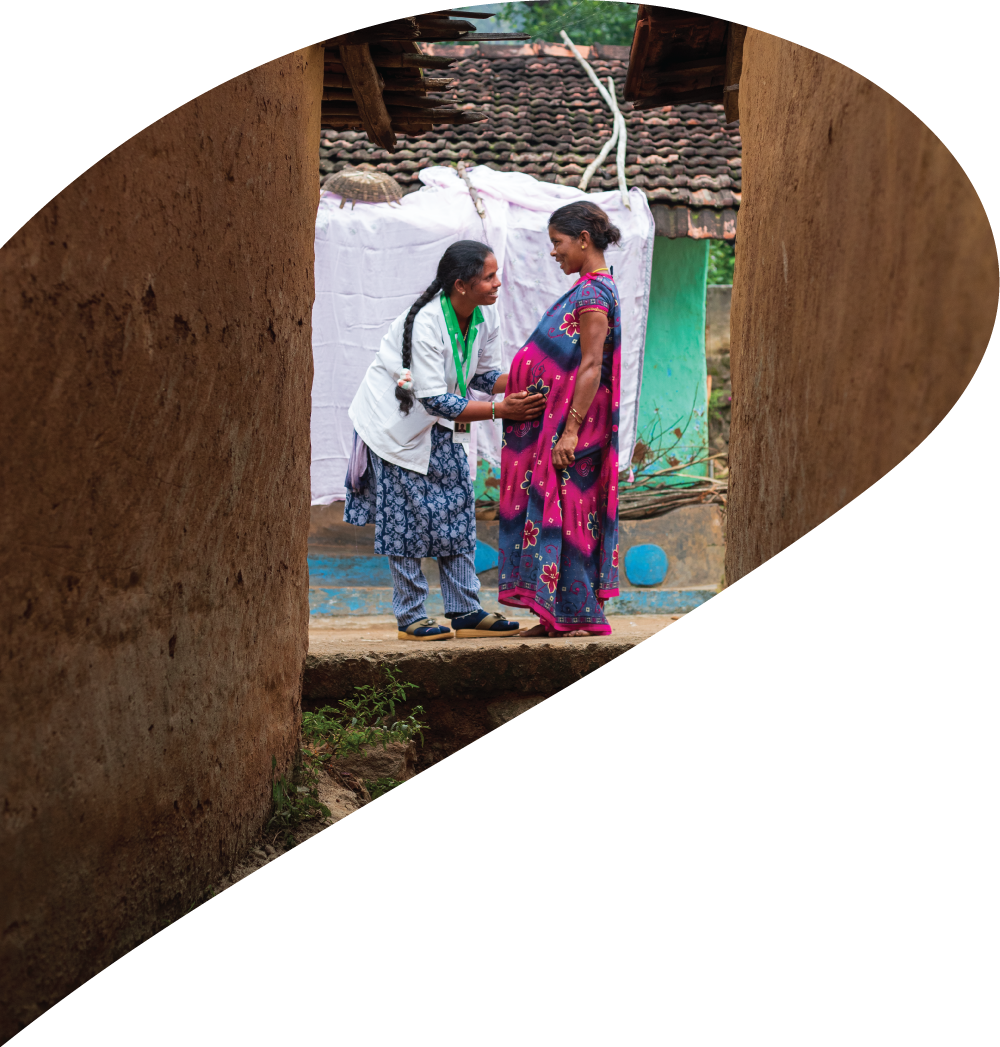
- Early risk assessment and physical examinations for pregnant women.
- Monitoring weight, BP, fundal height, and fetal heart rate.
- Basic investigations (Hb, urine tests) and expert counselling.
3. Postnatal Care (PNC)
- Home-based follow-ups conducted for up to 45 days.
- Regular monitoring of mother's BP and Hb levels.
- Counselling for the entire family on mother and newborn care.
4. Newborn Care
- Weight and vital monitoring for newborns in remote hamlets.
- Promotion of Kangaroo Mother Care (KMC) and safe home care.
- Immediate referral systems for sick newborns.
5. Regular Medical Care (RMC)
- Chronic care for Hypertension, diabetes, and geriatric patients.
- Doorstep BP and blood sugar monitoring.
- Long-term follow-up and specialized counselling for the elderly.
6. General Medical Care (GMC)
- Treatment for common and chronic tribal illnesses.
- Large-scale village health screenings.
- Registration of new patients into the healthcare network.
7. Home-Based Treatment (HBT)
- Nurse midwives provide care for bedridden and disabled persons.
- Care for critically ill and terminally ill tribal members at home.
- Coordinated referrals for patients needing advanced care.
8. School Health Program (SHP)
- Early detection through screenings in government schools.
- Awareness sessions for children on hygiene and health.
- Promotes healthy learning and reduces school absenteeism.
9. Specialized Medical Camps
- Large-scale screenings for Diagnosis and treatment.
- Advanced support for referrals in complicated surgical cases.
- Reaching populations with zero access to medical infrastructure.
10. Training & Community Strengthening
- Skill India certified GDA training for local tribal youth.
- Formation of Local Support Groups (LSGs) for village self-reliance.
- Creating local livelihood opportunities within the health sector.
Who We Serve
CHIP-T focuses its interventions on the most vulnerable populations residing in the remote hamlets of the Alluri Sitarama Raju (ASR) District:
- Tribal families in remote hamlets
- Pregnant women and newborns
- School-going children
- Elderly and vulnerable individuals
Impact
- 20,251 Beneficiaries: Supported across 87 tribal villages in 2025.
- 360 Target Villages: Operational across 8 Mandals in the ASR District.
- 19 Tribal Youth: Successfully trained and Skill India certified as GDAs.
- School Health Integration: Reduced absenteeism and promoted healthy learning.
- Strengthened Trust: Improved early care, referrals, and community health linkages.
Case Studies
Restored Mobility Through Timely Intervention
Korra Laxmi recovered from a severe thigh infection. Our team motivated her return to treatment and coordinated care, enabling her to stand independently within a week.
Restoring Vision and Independence
A 65-year-old tribal elder regained his vision and independence following CHIP-T facilitated surgery, allowing him to resume his outdoor livelihood.
Relief Through Early Care and Follow-Up
One-year-old K. Chethina received timely treatment for a severe skin allergy, restoring her comfort and health through consistent clinical care and follow-up.
Strengthening Tribal Health Systems
CHIP-T demonstrates that comprehensive primary healthcare can be effectively delivered at the village doorstep through structured planning, community participation, and convergence. By combining fixed-day services, home-based care, and community mobilization, CHIP-T strengthens health systems where they are needed most.
Support CHIP-T
Your support helps deliver timely healthcare to remote tribal communities with limited access to medical services. Partner with us to strengthen last-mile healthcare through CHIP-T.
Partner with us